Packaging Insights to Cardboard Boxes for Fruit and Vegetables
Crafting Exceptional Custom Fresh Produce Boxes: A Progressive Walkthrough
Creating specialized fruit and vegetable boxes demands a strategic method. Professionals must consider environmental responsibility, practicality, and visual appeal. Choosing the appropriate substances is essential for maintaining freshness and supporting environmentally conscious practices. Additionally, size and form can greatly impact usability and shipping efficiency. Impactful visual elements strengthen company identity, while comprehensive evaluation ensures longevity. Comprehending these components will uncover important insights into developing exceptional container designs that resonate with consumers. What follows next is critical to reaching those objectives.
Selecting the Appropriate Materials for Custom Produce Boxes
When evaluating materials for custom produce boxes, it is important to review both functionality and eco-friendliness. The selection of material significantly influences the box's durability, weight, and ability to shield the contents. Common materials feature corrugated cardboard, which delivers strength and is recyclable, making it a favored choice for eco-conscious businesses. Biodegradable options, such as molded pulp or plant-based plastics, also support sustainable practices while delivering adequate protection for delicate produce.
Furthermore, moisture resistance is crucial for preserving quality, prompting access this information some manufacturers to investigate processed substrates or advanced protective layers. The aesthetic appeal of the box is important to consider, as branding and visual presentation can influence consumer perception. Ultimately, the right material should strike a balance between safeguarding the product, appealing to customers, and adhering to environmental standards, ensuring both functionality and sustainability are prioritized in the development phase.
How to Decide on Size and Shape for Functionality?
When deciding on the size and shape of custom produce boxes, thorough evaluation of produce measurements is crucial for proper storage. Additionally, attention to handling and transport can impact the box design, guaranteeing ease of movement. Optimizing shelf space usage further enhances functionality, enabling effective presentation and organization.
Assess Produce Dimensions Carefully
Picking the ideal size and shape for fruit containers is necessary for efficiency and effectiveness. Detailed assessment of item dimensions is paramount, as it confirms that products fit securely without superfluous space that might lead to harm during shipment and storage. Purpose-built boxes need to accommodate diverse configurations, from delicate berries to substantial vegetables, while upholding strength. Moreover, the height and width of the boxes should promote stacking and organization, optimizing space in warehouse zones. A skillfully made box not only protects the produce but also enhances attractiveness for consumers. In conclusion, careful consideration of dimensions contributes to reducing waste and boosting consumer satisfaction in the supply chain.
Consider the Management of Handling and Transport
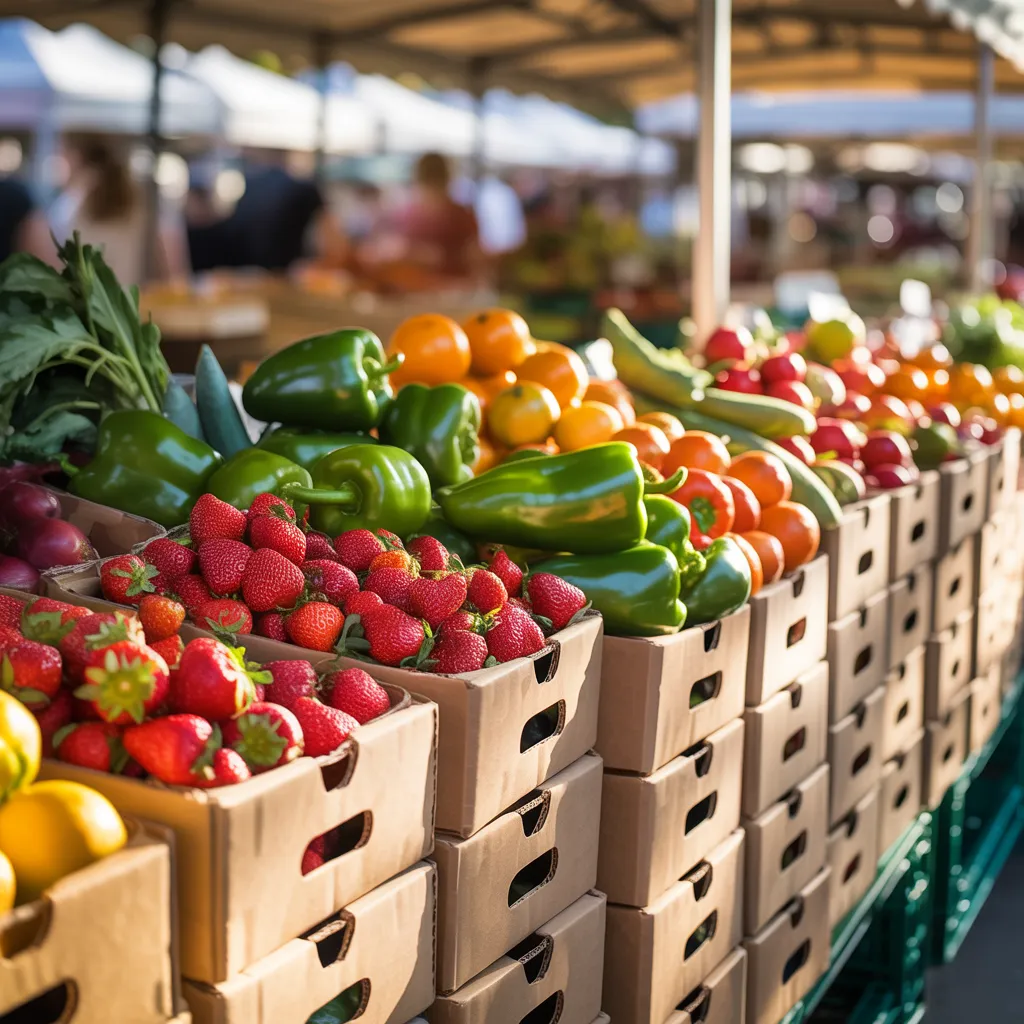
Transport and handling factors play a significant role in deciding the appropriate dimensions and form of specialized produce containers. The measurements must hold the produce without excessive room, which could result in shifting and damage during transit. Compact boxes assist with easier management, while bigger containers may be necessary for larger items. Furthermore, proper design is vital; handles or openings should be strategically positioned to permit pleasant lifting and carrying. The structure of the box also affects stacking and stability, making sure that products stay safe. Ultimately, careful consideration of such factors enhances the productivity of transport, cuts down goods waste, and upholds the general integrity of the fresh items starting agricultural setting until consumer.
Maximize Display Space Usage
Maximizing shelf space usage is contingent upon choosing the correct proportions and design of specialized produce boxes. Design teams should evaluate the size specifications of the shelving units as well as the types of produce being arranged. Rectangular boxes often boost room optimization, facilitating for more convenient stacking and alignment. Alternatively, non-standard forms can heighten visual appeal but may cause unused space if not strategically planned.
It's important to examine the stock circulation rate; rapidly-moving items might profit from compact, easily reachable containers. Also, adopting customizable or modular designs can facilitate varying dimensions of produce while maximizing storage layout. By highlighting functionality and aesthetic considerations, firms can build a practical and attractive display that elevates both accessibility and item visibility.
How to Craft Visual Content That Hold Engagement?
Impactful graphics can convert a modest custom produce box into a visual masterpiece that attracts regard. To accomplish this, creative professionals should begin by choosing a color mix that reflects the freshness and vibrancy of the produce. Vivid, visually striking colors can stir feelings of freshness and fitness, compelling consumers to take a closer look.
Using bold typography is also essential; clear and legible fonts can effectively communicate essential information while improving aesthetic quality. Furthermore, using premium photographs of the produce can create an immediate connection, displaying the product's quality and attracting potential buyers.
In addition, integrating distinctive visuals and patterns can assist in distinguishing the brand in a crowded market. Consistency in design elements, such as logos and taglines, reinforces brand identity. Ultimately, a blend of artistic vision and straightforwardness in graphic design can substantially improve the influence of custom produce boxes, making them stand out on shelves.
Sustainable Practices for Custom Produce Box Containers
A surging count of businesses are adopting eco-friendly standards for custom produce box packaging, recognizing its relevance in today's environmentally conscious market. These practices often include the use of biodegradable materials, such as recycled paper and plant-based plastics, which minimize environmental impact. Companies are also zeroing in on sustainable sourcing, ensuring that materials are obtained from responsibly managed forests or suppliers who copyright environmental stewardship.
Also, many brands are selecting simple designs that reduce waste while still successfully displaying their products. This method not only attracts eco-minded consumers but also helps in cutting production costs. Moreover, businesses are increasingly implementing streamlined manufacturing processes that limit energy consumption and waste generation. By integrating these green practices, companies not only improve their brand image but also contribute positively to the planet, aligning their operations with a sustainable future.
Examine Your Tailored Produce Box Design
Testing the design of personalized vegetable containers is an crucial step in ensuring they meet both aesthetic and practical needs. This procedure usually involves evaluating factors such as strength, size, and user-friendliness. First, prototypes should be created to assess the container's physical stability, making certain it can endure shipping and storage without compromising the products.
Next, usability tests can be performed to determine how easily the boxes can be opened, closed, and arranged. Feedback from prospective customers can be priceless in this stage, offering perspectives into the box's practicality.
Furthermore, the aesthetic quality of the design should be evaluated through consumer testing panels or questionnaires, measuring consumer reactions to branding elements, color schemes, and general appearance.
In the end, comprehensive testing allows designers to enhance the box, guaranteeing it not only attracts customers but also adequately safeguards and presents the produce within, achieving the right balance between form and function.
Advertising Your Custom Produce Boxes Effectively
Effective advertising of custom vegetable containers calls for a strategic approach that highlights their unique features and benefits. Businesses should focus on identifying their intended customers, whether they are local farms, grocery stores, or individual consumers. Utilizing social media platforms can boost brand awareness, displaying the boxes' appearance and functionality through engaging visuals and storytelling.
Furthermore, teaming up with community leaders and farm operators can boost reputation and extend market presence. Introducing offers or price reductions during seasonal peaks can bring in new customers and stimulate customer loyalty.
Furthermore, promoting environmental sustainability and green values in marketing materials can appeal to sustainability-focused buyers. Communicating in-depth information about material sources and the advantages of bespoke packaging designs can better establish the brand in a saturated marketplace.
Ultimately, a thorough marketing strategy that combines web-based and community-based activities will successfully promote custom produce boxes, appealing to a diverse clientele and generating sales.
Frequently Asked Questions
What Fees Accompany Custom Produce Box Planning?
Expenses tied to custom produce box design cover supplies, printing, labor, and transport. Furthermore, design services and minimum order quantities can change total expenditures, resulting in variable pricing based on exact requirements and production volume.
How Long Does Production of Custom Boxes Require?
Manufacturing of custom boxes generally requires two to six weeks. Key factors shaping this schedule involve design complexity, materials availability, and manufacturing output, all of which can influence delivery schedules and delivery windows.
May I Place an Request for a Small Quantity of Bespoke Produce Boxes?
Yes, small amounts of personalized fruit and vegetable boxes can usually be requested. Many distributors provide minimum order quantities, permitting businesses or individuals to get tailored packaging options without having to commit to substantial amounts at the start.
What Are Common Mistakes to Avoid in Custom Box Design?
Frequent errors in custom box design involve neglecting functionality, disregarding brand consistency, undervaluing material quality, not considering target audience preferences, and disregarding environmental impact. Each aspect is essential for successful packaging and customer satisfaction.
How Can I Confirm My Boxes Meet Food Safety Standards?
To confirm boxes are suitable for food, one needs to select materials qualified for food contact, steer clear of toxic inks and adhesives, copyright cleanliness during production, and periodically assess for compliance with health regulations and safety standards.